Manténgase sano!
- Posted March 2, 2026
New Drug Could Boost Efforts To Wipe Out Sleeping Sickness
A new treatment for sleeping sickness could make it much easier to treat and possibly eliminate the deadly disease.
On Friday, a committee of the European Medicines Agency (EMA) recommended approval of acoziborole, a drug made by Sanofi. The decision is a key step to making the medicine available in Congo, where most cases occur, and in other African countries.
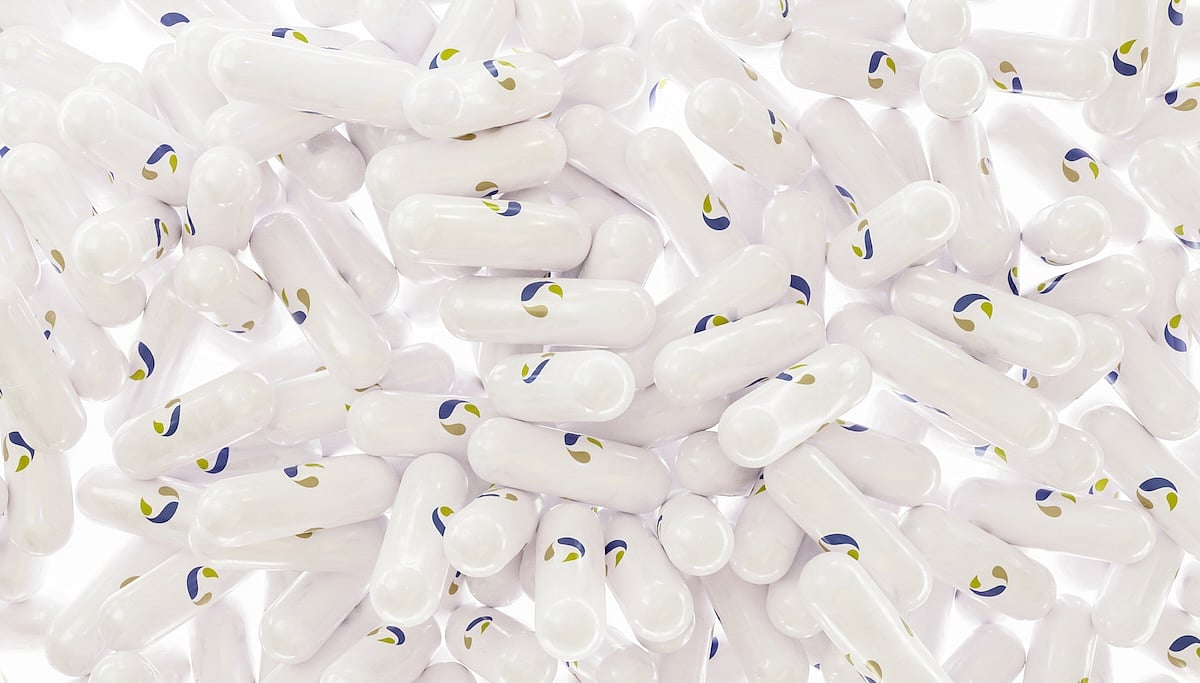
Unlike current treatments, which can take up to 10 days and require difficult trips from remote areas to the hospital, acoziborole is taken as three pills swallowed in a single dose.
Supporters say that could make a major difference.
“This disease is on the brink of elimination," Dr. Junior Matangila of the Drugs for Neglected Diseases initiative told The Associated Press.
He said the new drug could help “accelerate progress toward finishing the job.”
Sleeping sickness, also called human African trypanosomiasis (HAT), is spread by tsetse flies in rural parts of sub-Saharan Africa. The flies carry a parasite that infects people through their bite, according to the U.S. Centers for Disease Control and Prevention (CDC).
Early symptoms can look like the flu. But as the infection spreads, the parasite can reach the brain, according to the CDC.
People may develop confusion, personality changes and a reverse sleep pattern: Awake at night and sleepy during the day. Without treatment, the disease can lead to coma and death.
“It’s a disease of poverty,” Matangila said, who is based in Congo.
Older medicines were painful and sometimes toxic. While treatments improved in the early 2000s, they still involve hospital stays and spinal taps to determine how far along the infection is.
Acoziborole could change that. The new drug works for both early and advanced stages of the most common form of sleeping sickness. It can be used in patients ages 12 and older, and it removes the need for spinal taps.
In a 2023 study of about 200 patients in Congo and Guinea, more than 95% were considered cured 18 months after treatment.
Sanofi has pledged to donate the drug to the World Health Organization (WHO), meaning it would be free for patients.
Sleeping sickness surged in the 1970s and 1990s during times of political unrest in Africa. But better treatments and efforts to control tsetse flies have helped bring cases down.
Reported infections dropped below 10,000 in 2009 for the first time in 50 years. In 2024, fewer than 600 cases of the most common form were reported.
The WHO aims to stop the spread of this form of sleeping sickness by 2030.
“This isn’t solved yet,” Monica Mugnier, a sleeping sickness researcher at Johns Hopkins University, told The AP.
She noted that scientists still do not fully understand where the parasite may be hiding.
If eliminated, sleeping sickness could become the first infectious disease controlled without a vaccine, Sanofi officials said.
More information
Johns Hopkins Medicine has more on sleeping sickness.
SOURCE: The Associated Press, Feb. 27, 2026
